






 Scroll down to view the comparison chart of over a dozen different portable digital audio recorders.


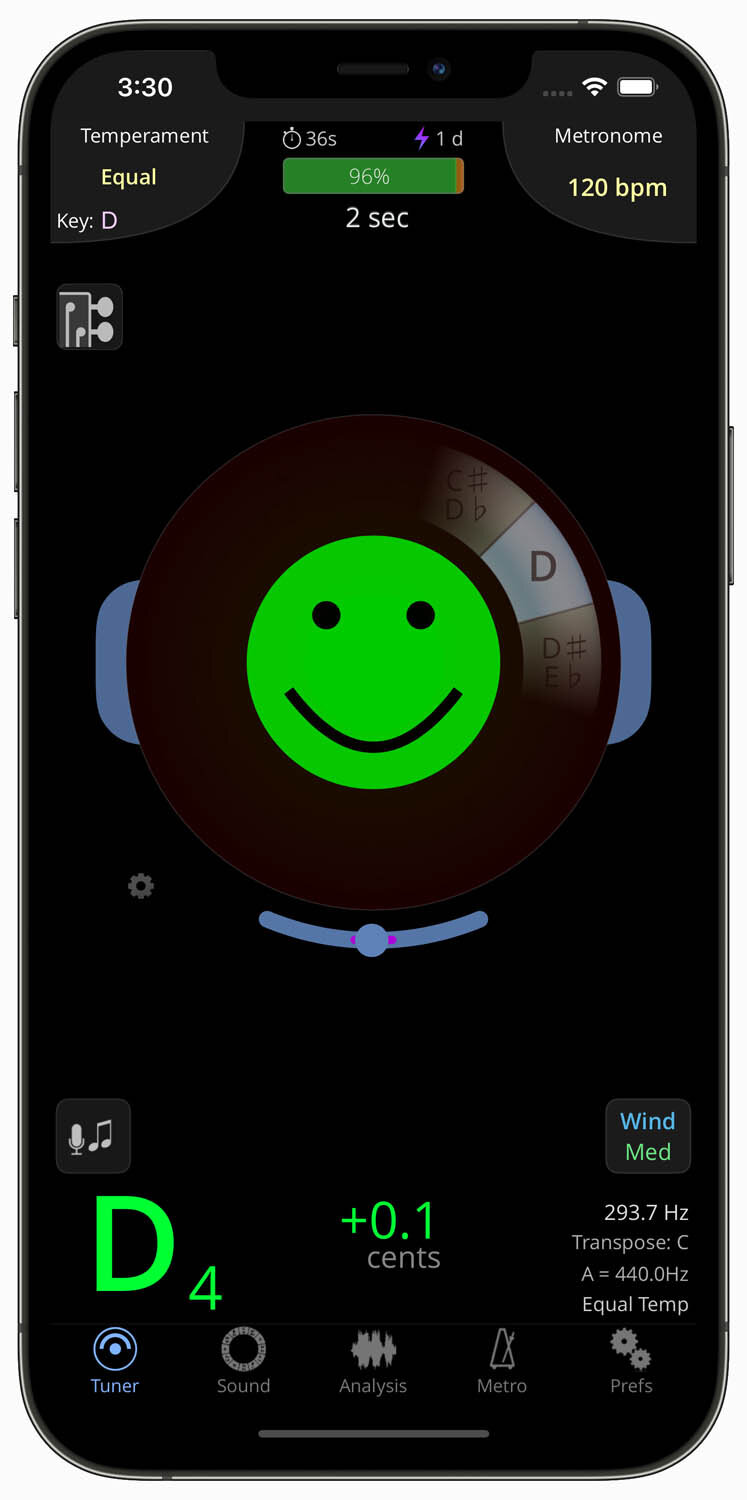
 Over the years I have found that many young, or inexperienced, students will have trouble keeping their guitars in tune. While many of these students are excelling in their lessons, even the most beautifully played chord or lick will sound bad if the instrument is out of tune, or has bad intonation. Below are five tips that every guitarist should know in order to ensure that their instrument stays in tune and holds its intonation.
Tune the guitar everyday even if you don’t play it.
Tune before and after a practice session, jam or performance. We all tune up before we play, but most of us don't tune after we're done. This will help keep the guitar in tune between playing sessions.
Stretch the strings after changing them. This can be done by pressing down on the string with your thumb, while at the same time pushing up on the string a few inches lower with your fingers. Slide your hand up and down the string while stretching in order to cover the whole string.
Always tune “up†to a pitch. If one of the strings is sharp, tune it below the pitch you are aiming for, and then adjust it up into the right pitch.
Change your strings regularly even if you don't play that often. Strings stretch over time, which causes them to become flat and lose their intonation. By changing strings every 6 to 8 weeks, you will avoid sounding out of tune in both the open position, and up the neck.
If you are following these tips and find that your guitar is still going out of tune, or that your intonation is not right, you may need to have your guitar setup. This can be done by any local music store or luthier, and normally costs around $30-$35. When bringing your guitar in for a setup it is good to know exactly what you need done. Instead of saying “I need a setupâ€, you might want to say, I need my intonation checked and the neck adjusted so it stays in tune. This will insure that the repairman knows exactly what is wrong with your guitar and can make the proper adjustments to get you back playing in no time.