




The Importance of Using a Tuner: Finding Your Perfect Pitch
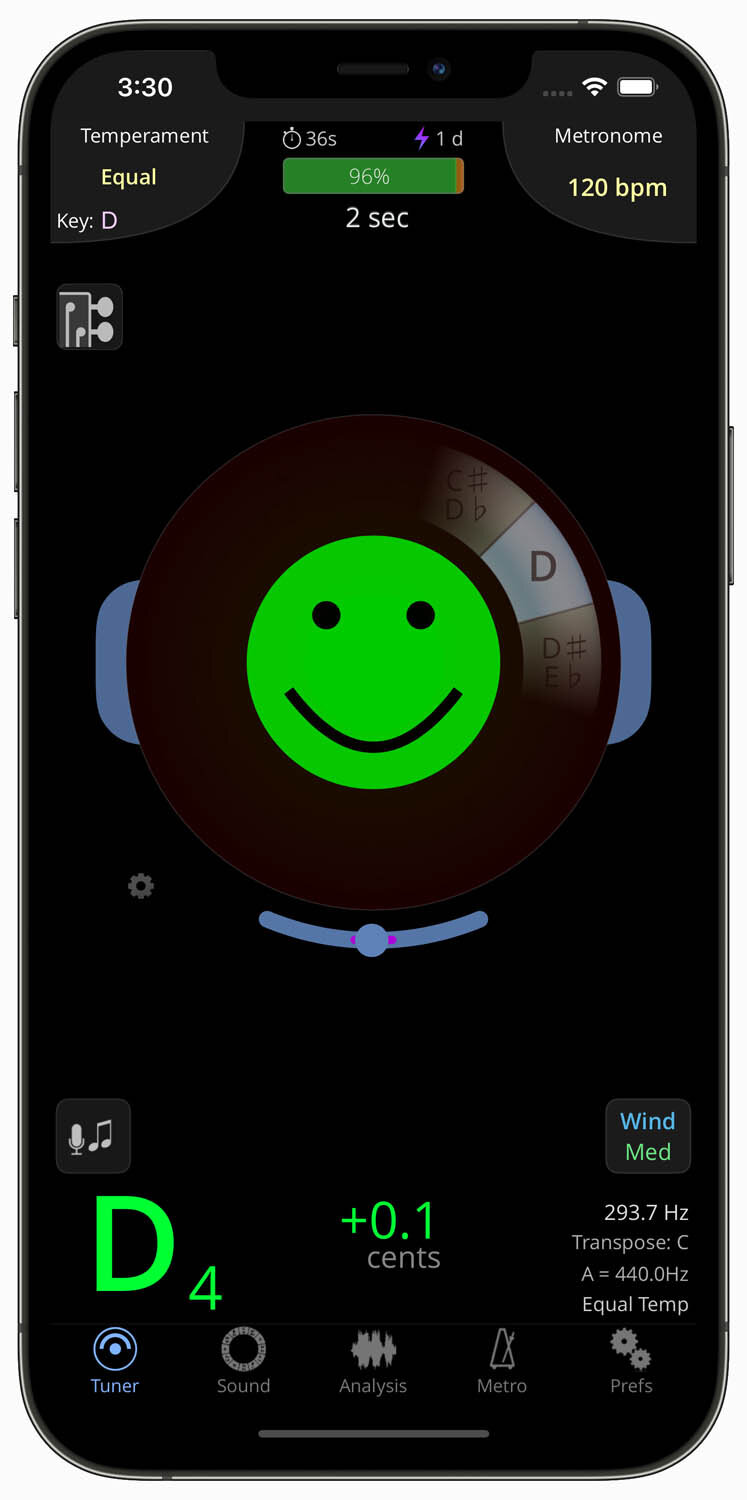
Music is a beautiful language, but like any language, it relies on clear communication. Just like people speaking the same language can do so with different accents to their voice so too can musicians play the same note but with slight changes in the way it sounds. The pitch may be a bit high or a bit low, and over the centuries musicians have come up with ways to analyze these differences so that multiple musicians can better "play in tune." Just as proper grammar and pronunciation are essential for understanding spoken words, playing in tune is paramount for creating harmonious music. This is where the tuner comes in. For the beginner (or even the more advanced musician) it can be a vital tool for developing accuracy of pitch.
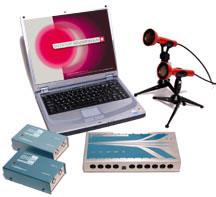
 Scroll down to view the comparison chart of over a dozen different portable digital audio recorders.


 I was doing my weekly look around at the other music education sites that I follow when I saw Joe Pisano posting about his work with a web site called
 I've been a fan of the
  A few days ago a fellow music ed blogger named
.jpg) Is this irony, stupidity, or just plain... dumb? Pasted below is a link to a video at VIMIO that shows an actual DMCA hearing at the Library of Congress where the Motion Picture Association of America actually demonstrates the proper way to copy a DVD movie for educational purposes. I'll give you a quick hint. It includes using a camcorder, a television screen, and a darkened room...
Is this irony, stupidity, or just plain... dumb? Pasted below is a link to a video at VIMIO that shows an actual DMCA hearing at the Library of Congress where the Motion Picture Association of America actually demonstrates the proper way to copy a DVD movie for educational purposes. I'll give you a quick hint. It includes using a camcorder, a television screen, and a darkened room... Today I sat on a panel discussion at the national MENC conference in D.C. on the topic of whether or not we should develop national standards for music technology. I had my own feelings and ideas about the idea, and I let my voice be heard, but several of my colleagues also had very interesting points of view on the matter. Don't worry, from what I saw and heard there will not likely be any national music technology standards in the near future, but the discussion was interesting and I have to say enlightening in many ways.
 Every so often you will see a video about someone trying to break a wine glass by singing very loudly. Old movies and cartoons are ripe with this seeming cliche, but some physicists still banter about the question of whether or not a human voice can actually do it. Well, a high school physics teacher in had one of his school's more talented male students try the trick, and after a lot of practice he actually learned how to do it.
.jpg) Several months ago I posted an article titled
Several months ago I posted an article titled .jpg) I just finished a Skype chat with George Litterst, the founder of a company called TimeWarp Technologies. George is a pianist and music educator that I have used as a source for other articles I have written on the topic of teaching music over the Internet. He is going to be Skyping in to speak with the audience of a session I will be giving in a couple of weeks at the Iowa Bandmaster's Conference, and he wanted to give me a tour of his Internet MIDI product. I went into the call expecting to just see little more than a glorified on screen MIDI keyboard, but came out realizing that he has really got some potential there that could become a serious technological tool for the music education classroom.
I just finished a Skype chat with George Litterst, the founder of a company called TimeWarp Technologies. George is a pianist and music educator that I have used as a source for other articles I have written on the topic of teaching music over the Internet. He is going to be Skyping in to speak with the audience of a session I will be giving in a couple of weeks at the Iowa Bandmaster's Conference, and he wanted to give me a tour of his Internet MIDI product. I went into the call expecting to just see little more than a glorified on screen MIDI keyboard, but came out realizing that he has really got some potential there that could become a serious technological tool for the music education classroom..jpg "Violinist") Schools all over the country are struggling with money issues, some are cutting music programs to the detriment of their most needy students. In a video news story from the New York Times a student from a school in Newark, Ohio shows just how important music programs can be. If we cut back on music programs what will be left for students like this one?Â
Schools all over the country are struggling with money issues, some are cutting music programs to the detriment of their most needy students. In a video news story from the New York Times a student from a school in Newark, Ohio shows just how important music programs can be. If we cut back on music programs what will be left for students like this one?