




The Importance of Using a Tuner: Finding Your Perfect Pitch
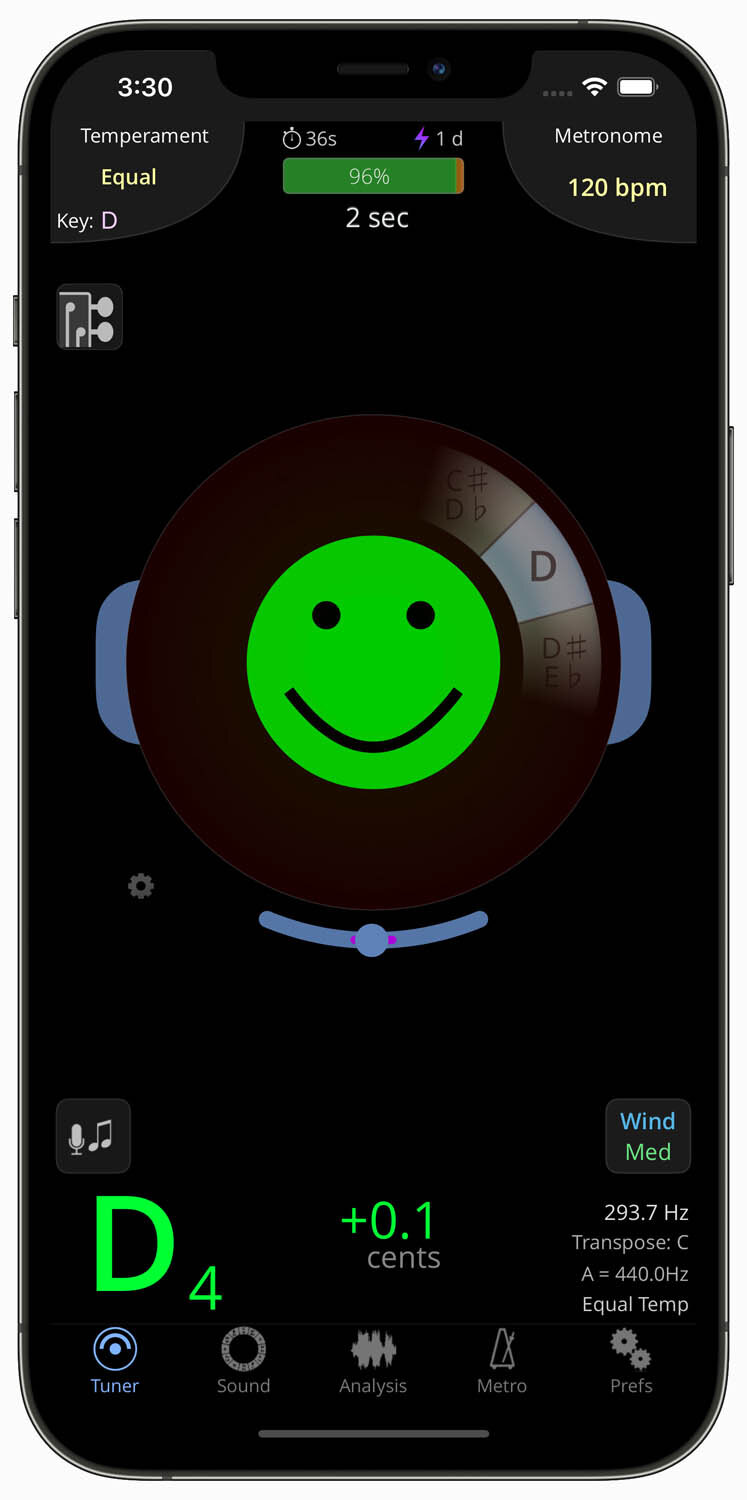
Music is a beautiful language, but like any language, it relies on clear communication. Just like people speaking the same language can do so with different accents to their voice so too can musicians play the same note but with slight changes in the way it sounds. The pitch may be a bit high or a bit low, and over the centuries musicians have come up with ways to analyze these differences so that multiple musicians can better "play in tune." Just as proper grammar and pronunciation are essential for understanding spoken words, playing in tune is paramount for creating harmonious music. This is where the tuner comes in. For the beginner (or even the more advanced musician) it can be a vital tool for developing accuracy of pitch.
 Scroll down to view the comparison chart of over a dozen different portable digital audio recorders.


 I am doing my best this month to feature a free music oriented app or web site each day (or at least every few days) and this time I wanted to bring your attention to a site called Free-Loops. Free-Loops is a repository for hundreds of different audio loops that can be quickly imported into your favorite audio sequencer program like GarageBand, Fruity Loops, Reason, or other loop based audio tools and used to create remixes of your own unique design.
 I thought I would point out to all of you band directors and music teachers out there that I have tons of free Christmas and holiday oriented sheet music (as well as hundreds of other free songs) available for download in the free sheet music area of MusicEdMagic. All of the music is arranged as melody only and is intended to be used as material for first or second year instrumentalists to practice with. There are no harmony parts but they make a great handout for kids who want to go home and play some Christmas Carols for their parents. Most of the files are also released with the Sibelius documents so that you can make your own arrangements if needed.
 When I first heard about a new web app called CommunityBand my first thought was that someone had tried to clone
  I thought it might be cool to find a video this week that focused on marching band technique and instruction, but in the process I happened across this video of Jason Paguio, a world champion drum major and bona fide expert at the use of the mace in marching bands. The way he throws and twirls the mace is very impressive and totally fluid. It doesn't even look like his is trying hard yet I know if I did anything similar I would spear myself with the thing. I also found another video of a former U of Iowa grad assistant doing a similar show together with some of the Iowa marching band members. I know the use of the mace seems to be a dying art in marching bands these days but it is still fun to watch these guys perform even if you think that the mace is outdated for modern marching band routines.
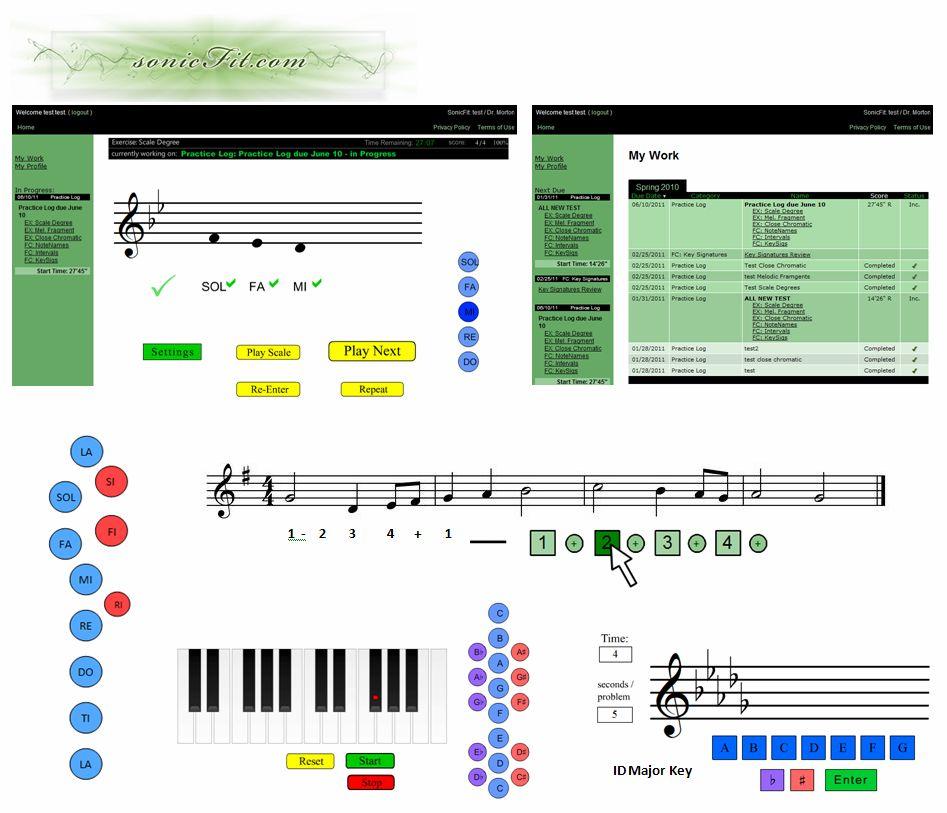 Here is another useful music theory online resource for music teachers to use this fall. Named SonicFit and the brainchild of music educator Dr. Jeff Morton, SonicFit is a music theory site that provides instruction in topics that go beyond what many other sites are currently providing. Things like melodic dictation, scale identification, beat division, bassline solfege and many more are all included on the site in an easy to use graphical interface. For a low annual subscription cost (sometimes as low as $1 per student) teachers can set up classes, and then assign their students specific work to do on the site, see their scores when they are done, and even export their grades to be included in other gradebook programs.
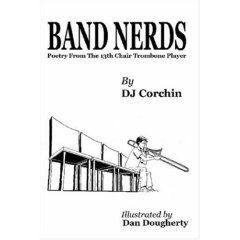 I first learned of DJ Corchin several years ago when he released the hardcover of his
 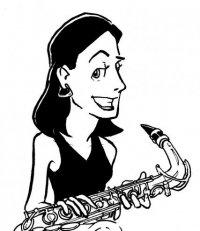 Let's give a big welcome to our newest writer here at MusicEdMagic,
 .jpg "Sheet Music") The
The 


 Back in 2002 Google began to undertake a