




The Importance of Using a Tuner: Finding Your Perfect Pitch
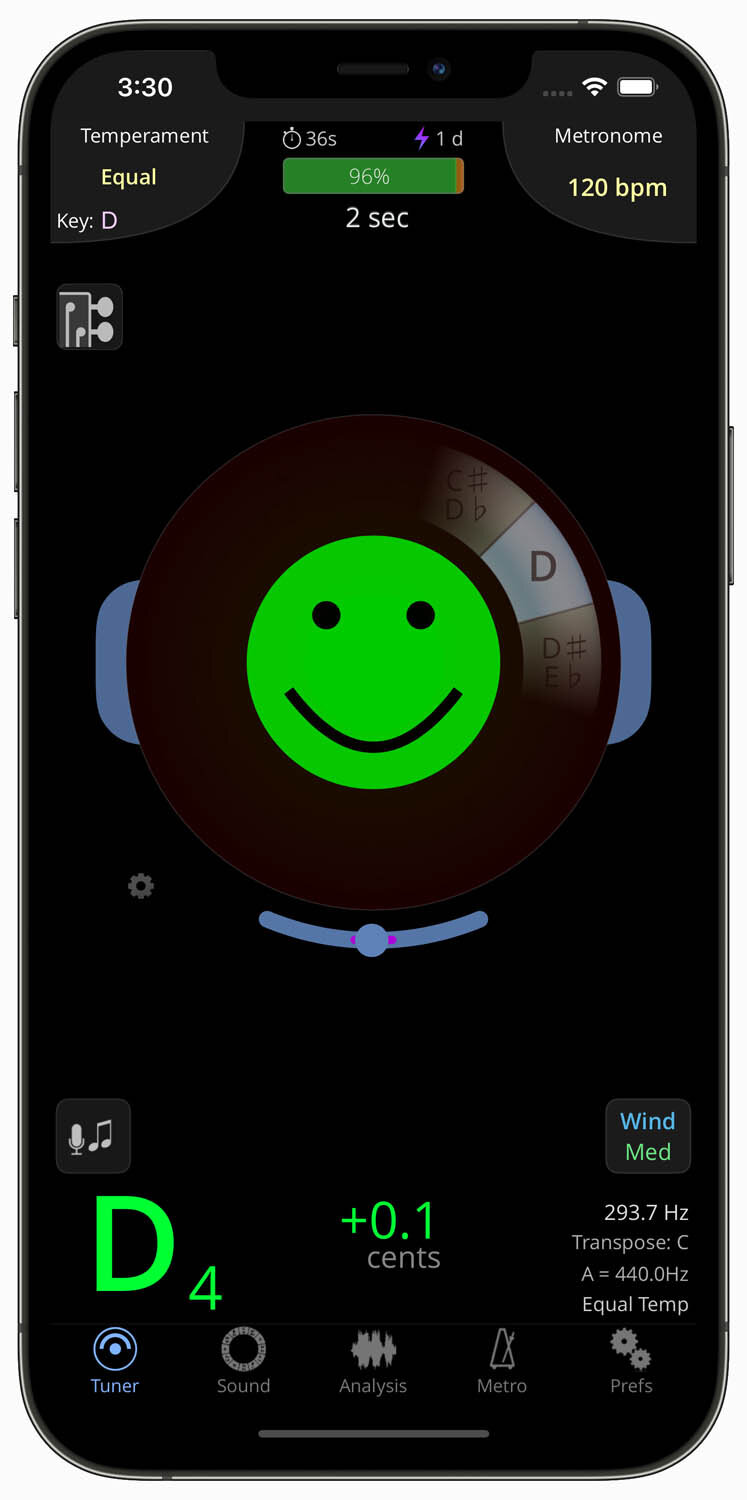
Music is a beautiful language, but like any language, it relies on clear communication. Just like people speaking the same language can do so with different accents to their voice so too can musicians play the same note but with slight changes in the way it sounds. The pitch may be a bit high or a bit low, and over the centuries musicians have come up with ways to analyze these differences so that multiple musicians can better "play in tune." Just as proper grammar and pronunciation are essential for understanding spoken words, playing in tune is paramount for creating harmonious music. This is where the tuner comes in. For the beginner (or even the more advanced musician) it can be a vital tool for developing accuracy of pitch.
 Scroll down to view the comparison chart of over a dozen different portable digital audio recorders.


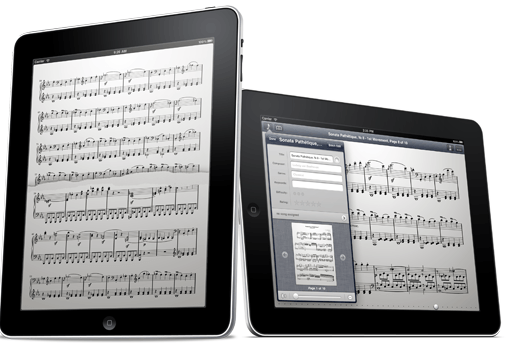
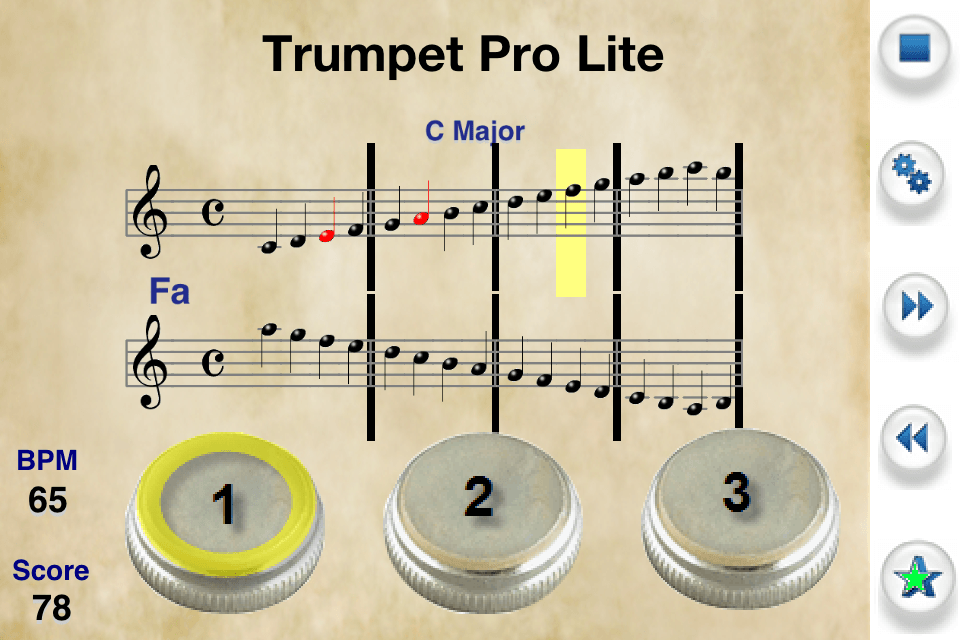 Music education related iPhone apps that are actually useful seem to be rather few and far between. Â When I was informed of the Trumpet Pro apps now available for both iPhone and iPad I was a little skeptical, having seen other fingering training apps that failed to live up to my expectations. Â When I saw the pricing associated with these two apps I became a bit more skeptical but decided to give them a try anyway and see if they were truly worth the investment.
  The modes of the melodic minor scale are usually paid less attention, from teachers and players alike, than the modes of the major scale, though their role and application in popular and art music is just as important. With four dominant modes (2, 4, 5, 7), a major mode (3), a minor mode (1) and a half-diminished mode (6), the melodic minor scale provides a vast palette of tonal colors that can be used to spice up any improvised solo, composition or arrangement. It is important to note that for jazz and popular music, only the ascending form of the melodic minor scale is used, and this article follows that convention.
 Having an understanding of the modes of the major scale is an important skill for any aspiring musician. While there have been volumes of books written on the seven different modes and their usage in both modern and historical music, many people still struggle to grasp the practical application of these common scales. Breaking down and comparing the interval and chord structure of each mode can help to alleviate much of the mystery and confusion that is often associated with learning and applying the modes of the major scale.
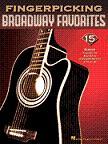 Fingerpicking Broadway Favorites is a new release from Hal Leonard that contains solo guitar arrangements of fifteen classic Broadway songs. The book contains an introduction, giving a brief outline of how to fingerpick, before diving right into the arrangements that are written in both standard notation and tablature. Though the book suggests that "the arrangements in this book are carefully written for intermediate-level guitarists", anyone who has played the guitar for four to six months would be able to begin working on at least a few of the arrangements in this book.
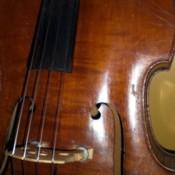 There are few things that can help the tone of an acoustic bass more than a good set up. The adjustments necessary can be learned quickly and executed easily to improve the tone and playability of your bass.
 One of the most common questions I am asked by students in private lessons or clinics, is "How do I swing harder?" Developing a strong swing feel may come easy to some players, but for the rest of us we have to consciously practice our feel everyday to make sure we can swing as hard as our favorite players. In the same way that there are proven ways to practice to develop our harmonic vocabulary, we can also practice exercises in our daily routine that will help us to further develop our swing feel.
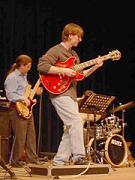 Twin cities guitarist and teacher Mike Krajewski has been trained at some of the best schools in the country. Having completed performance degrees from the Berklee School of Music in Boston and Georgia State University, Mike has decided to go back to school to complete his DMA in classical guitar performance from the University of Minnesota. Aside from being a full-time student, and active performer, Mike is also on faculty at the McNally Smith College of Music in St. Paul.
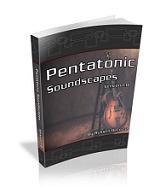 The pentatonic scale is one of the most frequently used and commonly taught scales on the guitar. Over the past fifty years countless books have been written in an attempt to teach the fingerings and practical applications of the major and minor pentatonic scale for guitar. Guitarist and educator Russell DeCorte’s book Pentatonic Soundscapes Version 1.0 sets out to strike new ground in the realm of pentatonic scale pedagogy and application.
 As a high school orchestra teacher, I am constantly solicited for ensembles to perform at school and community events. Unfortunately they are too numerous for me to bring my chamber orchestra or fiddle ensemble to each one. As a solution, I have established smaller string quartets, duos and quintets to represent our school orchestra program at induction and award ceremonies, local business and community events.