

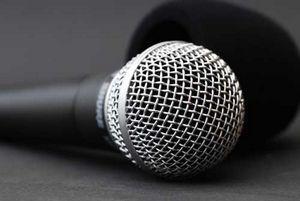

The Importance of Using a Tuner: Finding Your Perfect Pitch
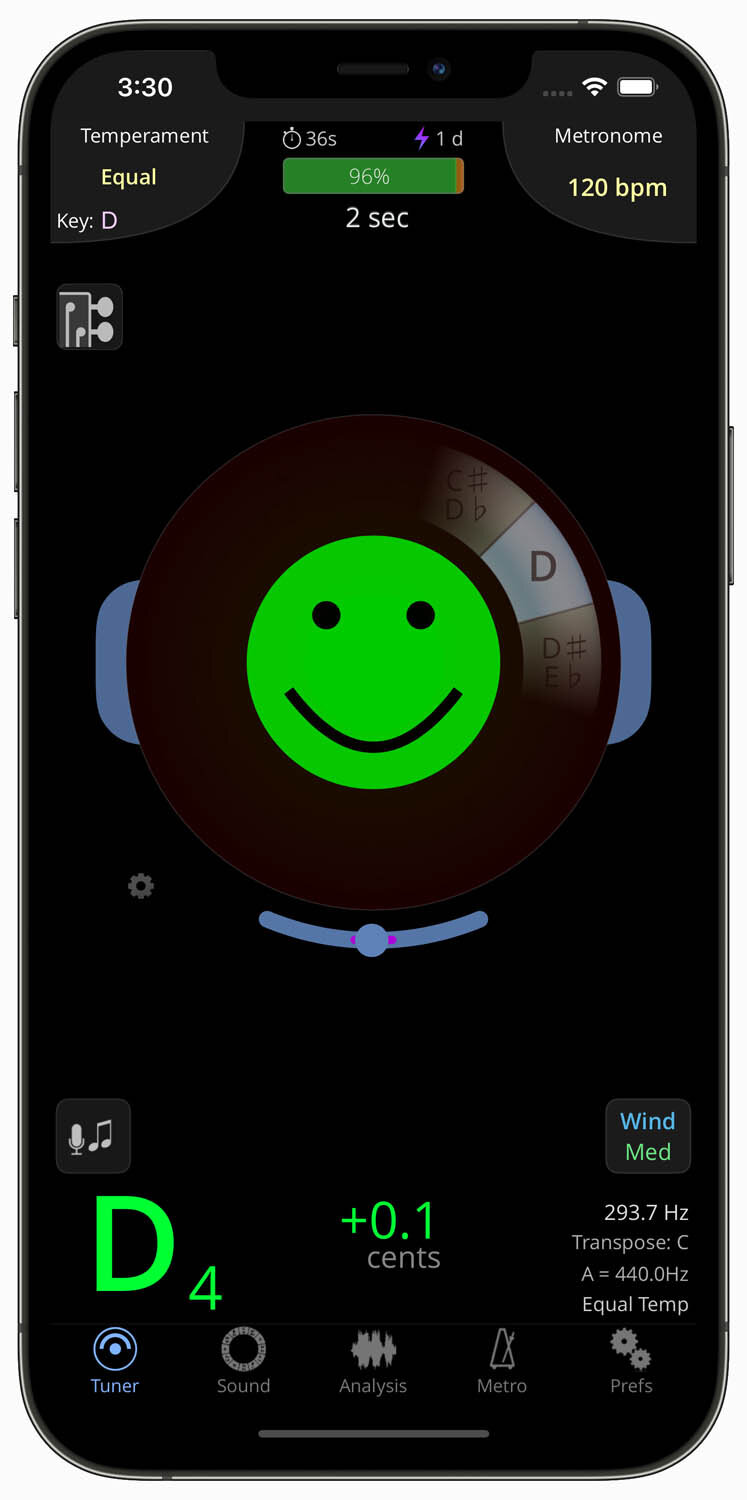
Music is a beautiful language, but like any language, it relies on clear communication. Just like people speaking the same language can do so with different accents to their voice so too can musicians play the same note but with slight changes in the way it sounds. The pitch may be a bit high or a bit low, and over the centuries musicians have come up with ways to analyze these differences so that multiple musicians can better "play in tune." Just as proper grammar and pronunciation are essential for understanding spoken words, playing in tune is paramount for creating harmonious music. This is where the tuner comes in. For the beginner (or even the more advanced musician) it can be a vital tool for developing accuracy of pitch.
 Scroll down to view the comparison chart of over a dozen different portable digital audio recorders.


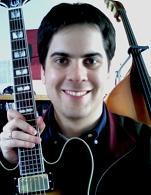 Chris Beyt is a guitarist and educator with a bright future
ahead of him. Having already completed two music degrees at some of the
countries top schools, he is currently a DMA candidate at the University of Illinois.
Aside from his busy course schedule, Chris is also a busy performer and has
recently accepted his first college teaching position.
Chris Beyt is a guitarist and educator with a bright future
ahead of him. Having already completed two music degrees at some of the
countries top schools, he is currently a DMA candidate at the University of Illinois.
Aside from his busy course schedule, Chris is also a busy performer and has
recently accepted his first college teaching position.
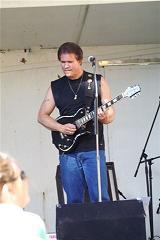 You may not know Jeff Arnold by name, but if you have ever bought a guitar book from Hal Leonard you definitely know his work. As a high ranking editor within the guitar department, Jeff oversees the development and release of dozens of books each year, many of which we are all familiar with. Aside from his work at Hal Leonard, Jeff is an accomplished performer who has been a mainstay on the Milwaukee music scene for decades.
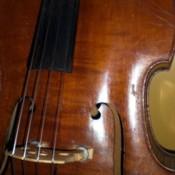 When purchasing an acoustic bass for your music program, there are
several things to keep in mind. With a little expert help and some
general know how, a solid choice can be made and a quality instrument
can be used by the students for many years.
When purchasing an acoustic bass for your music program, there are
several things to keep in mind. With a little expert help and some
general know how, a solid choice can be made and a quality instrument
can be used by the students for many years.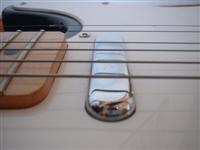 Improvising walking bass lines is a demanding undertaking that should be confronted not only by jazz bassists, but other instrumentalists as well. This article presents a simple process for creating swinging bass lines that will be valuable to teachers and students of jazz alike.
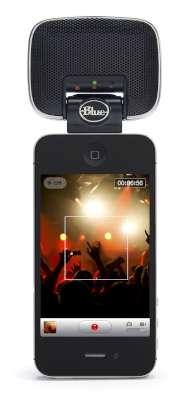 Blue Microphones makes some of the most popular USB based podcasting and general recording microphones available on the market. They do a great job of marrying high end components with a great sense of style that makes the mics not only great to record on but fun to record into as well. Now Blue Microphones has come out with their latest iPod/iPad microphone, the Mikey Digital. The original Mikey came out several years ago and gained quite a following among those that wanted to use their portable devices as field recorders. Â Used together with or without the free BlueFiRe iOS app the Mikey Digital turns any iPad, iPod, or iPhone into a complete portable digital audio recorder capable of holding its own with commercial products by Zoom, Sony, and others.
.jpg) Making due with smaller budgets seems to be the new normal these days so finding creative ways to provide cutting edge music education programs is getting harder and harder. With a little flexibility though a teacher can still provide high quality software based tools for use in their classrooms without paying a dime. Take a closer look at MusicEdMagic's 2012 list of essential free music education software for use in both the classroom and at home.
Making due with smaller budgets seems to be the new normal these days so finding creative ways to provide cutting edge music education programs is getting harder and harder. With a little flexibility though a teacher can still provide high quality software based tools for use in their classrooms without paying a dime. Take a closer look at MusicEdMagic's 2012 list of essential free music education software for use in both the classroom and at home. When I taught high school band I was constantly having to worry about, adjust, and fix the amplification system in my school gym and also the portable units that we would occasionally take with us to special events. The thing was that I never really had a clue what I was doing, I just set the thing up, adjusted it the way I thought sounded good, and then let the chips fall where they may. Well, Alfred just came out with a new DVD called
 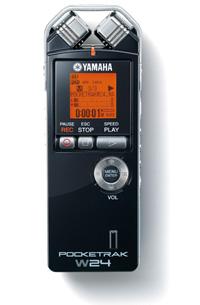 Digital audio recorders are becoming an almost essential part of every music education classroom. Teachers use them as assessment tools, to record individual student performances for later evaluation, or for recording and evaluating large ensemble rehearsals. Other classroom uses like producing podcasts or for individual student practice and reflection are also great reasons to consider investing in a digital audio recorder. The newest units are ultra-portable, easy to use, and in most cases provide excellent sound quality.