





The Importance of Using a Tuner: Finding Your Perfect Pitch
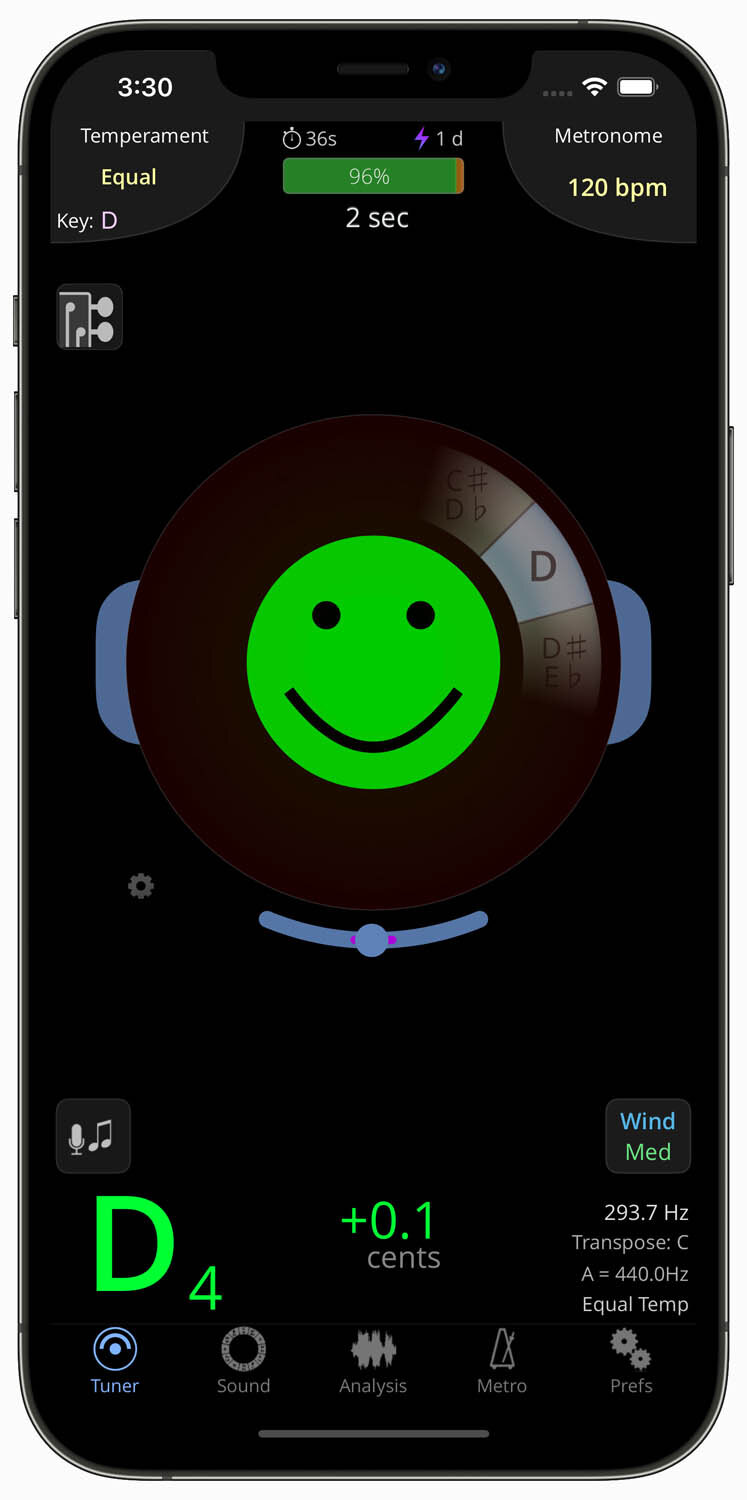
Music is a beautiful language, but like any language, it relies on clear communication. Just like people speaking the same language can do so with different accents to their voice so too can musicians play the same note but with slight changes in the way it sounds. The pitch may be a bit high or a bit low, and over the centuries musicians have come up with ways to analyze these differences so that multiple musicians can better "play in tune." Just as proper grammar and pronunciation are essential for understanding spoken words, playing in tune is paramount for creating harmonious music. This is where the tuner comes in. For the beginner (or even the more advanced musician) it can be a vital tool for developing accuracy of pitch.
 Scroll down to view the comparison chart of over a dozen different portable digital audio recorders.


 I got to thinking the other day of all the stupid things that I have done over the years in my classes that were done with the best of intentions, yet wound up either failing miserably or falling far short of their goals. Since this entire site was originally built on the idea of using my own experiences to help other teachers improve in their own situations I thought it would be nice to return to those roots a bit and do a series of blog posts on little rules of thumb for music teachers that even today I occasionally catch myself breaking. Old habits are hard to break, and to be honest, there may be those who read this that think I am totally wrong. If so, I urge you to post a comment and let us know your side of the story. Today's first post in the series focuses on private and small group lessons and the fact that occasionally many teachers wind up listening more to their own performance rather than their students.
 I remember in my college aural training class having to memorize intervals based on familiar songs, i.e. perfect fourth is "Here Comes The Bride." Well, as I have been noticing lately all the tunes that I grew up knowing and recognizing for this purpose are no longer well known by the current generation of elementary and high school students. Luckily the folks over at EarMaster have created an online page full of interval examples from more modern songs that many of today's students will actually know (am I really so old that no one recognizes the Star Trek theme for the minor seventh any more?).
.jpg) There are several ways to print sheet music from a personal computer, but how a person goes about doing so is largely dependent on what sheet music the user is looking for. There are two basic ways to print sheet music on a computer, either by creating the song from scratch using a music writing software program or by downloading and printing sheet music provided by other sites. Both of these methods will be discussed in this article.
There are several ways to print sheet music from a personal computer, but how a person goes about doing so is largely dependent on what sheet music the user is looking for. There are two basic ways to print sheet music on a computer, either by creating the song from scratch using a music writing software program or by downloading and printing sheet music provided by other sites. Both of these methods will be discussed in this article.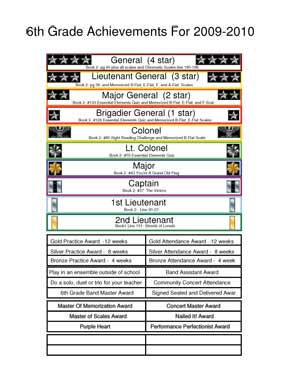


 I have tried many different kinds of classroom incentives over the years and in the end they have almost always failed to provide any significant improvements while at the same time driving me insane (and into the poor house) trying to keep up with them. I have recently tried something that is much more intrinsic although it is very much an extrinsic motivator as well. It doesn't cost anything (other than paper and ink) and is fairly easy to manage. It will sound rather strange but bear with me...
 Recently, a close friend and I sat down to play some guitar and saxophone duos. Confronted with the continuing obstacle of navigating through chord changes, our problem solving skills kicked in. We began applying a simple approach to tonal improvisation, and our solos became immediately more focused and coherent.